


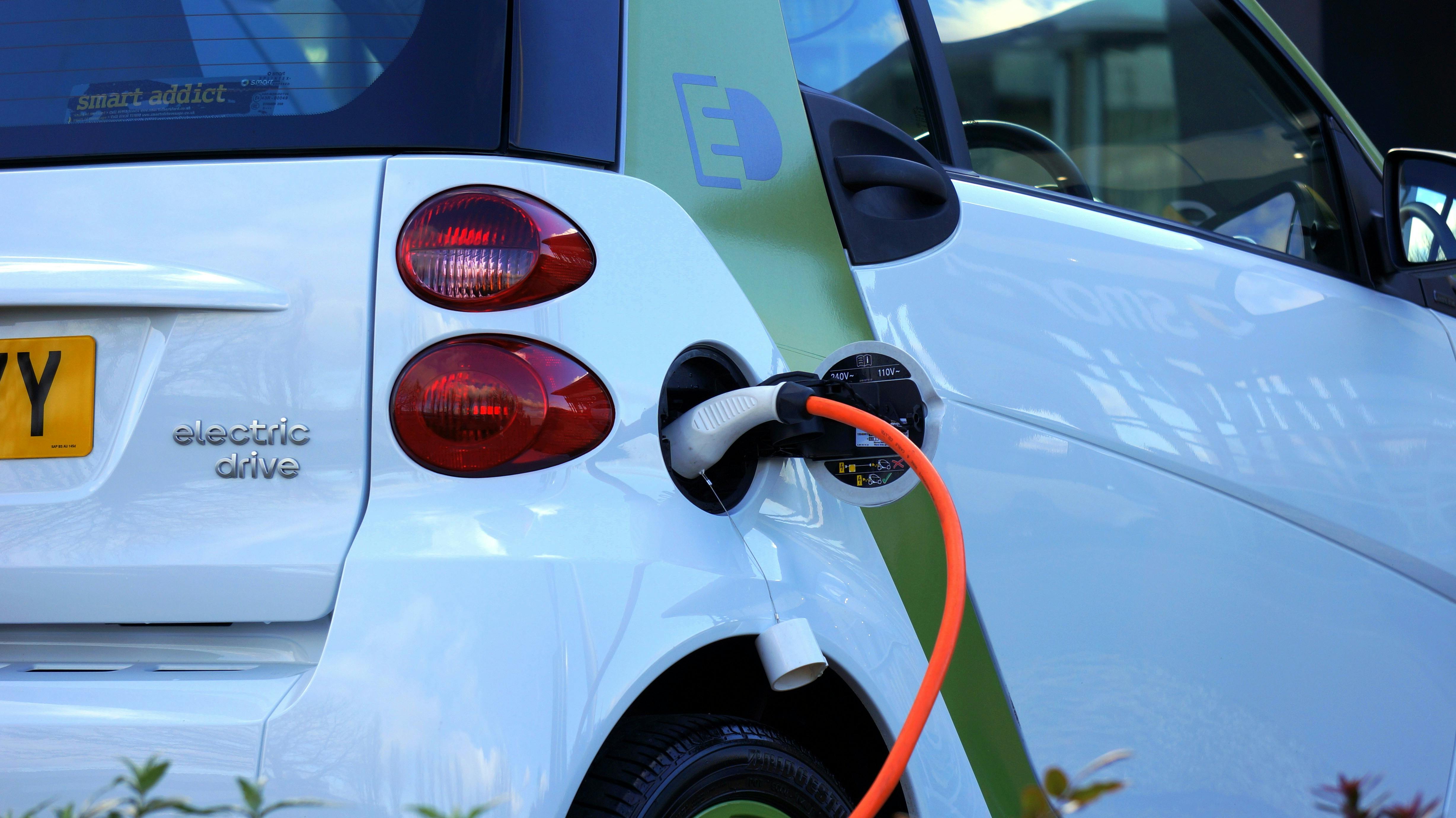
For people who are interested in getting an electric car and want to save money on fuel, it can be quite daunting to know how much the installation will cost. The Future of Electric Cars and The Real Costs Of Charging is a blog post that tells people what they can expect to pay for their installation.
What is the Future of Electric Cars?
The future of electric cars is exciting and full of potential. There are many different types of electric cars on the market, and they all have their own benefits and drawbacks.
One of the biggest benefits of electric cars is that they don’t produce any emissions. This is great for the environment, and it also means that electric cars are much cheaper to operate than petrol or diesel cars.
However, there are a few caveats to this. One problem is that electric cars can take a while to charge, which can be a problem if you need to get somewhere quickly. Another issue is that electric car batteries can only last for a certain amount of time before they need to be replaced.
Overall, though, the future of electric cars looks very promising.
How Much Will Charging Cost For A Car?
Electric cars may have lower emissions, but they also come with a higher price tag when it comes to charging. A study by the Electric Vehicle Council found that charging an electric car costs more than refueling a conventional car.
Charging an electric car takes 3.2 times as long as refueling a gasoline car, and the cost of electricity is on the rise. In some parts of the country, it can cost more to recharge an electric car than to buy one outright.
For consumers who are looking to switch to electric cars, understanding the cost of charging will be important. Unfortunately, there is no definitive answer when it comes to how much a charge will cost.
There is a viable option to getting your car charged in Exeter as there is car charging installation in Exeter that has made the cost of installation not so harsh on your wallet.
Benefits and Drawbacks of Electric Cars
Benefits of electric cars include emissions-free driving, lower running and maintenance costs, and reduced oil dependency. However, there are also some drawbacks to consider. For one, electric cars are not as efficient as gasoline or diesel-powered vehicles when traveling at high speeds or in heavy traffic. Additionally, the infrastructure necessary to support an electric car market is still being developed, which could result in greater upfront costs for consumers. Finally, electric car batteries can only be recharged relatively slowly, which could challenge some people’s desire to use them as their primary mode of transportation.
The Future Of Electric Only Vehicles
The future of electric cars is looking very bright. Not only are they becoming more popular, but the technology is also getting better and cheaper. However, there are some real costs associated with charging these vehicles. Here are four of the most important:
The Cost Of Infrastructure
One of the biggest costs associated with electric cars is the infrastructure that needs to be built in order to support them. Right now, there are limited places where you can charge them, so you’ll need to have access to a lot of charging stations. This will likely cost a lot of money to build and maintain over time.
The Cost Of Electricity
Electric cars need a lot of electricity to run, which means that the cost of electricity will need to be taken into account when calculating the cost of owning an electric car. Right now, electricity is usually a bit more expensive than gasoline, so it will add up over time. Additionally, if you live in an area where renewable energy is available, then you may be able to save money on your electricity bill by using an electric car instead of a gas-powered one.
Conclusion
The future of electric cars is here, and the technology behind them is continuing to develop at an exponential rate. Already, many people are using electric vehicles for everyday purposes, and the number of charging stations available will only continue to grow in the years to come. However, while the cost of charging these cars has decreased significantly in recent years, there are still some costs associated with this growing trend. In order to ensure that electric cars remain a viable option in the future, we need to be aware of these costs so that we can make informed decisions about how best to move forward.


